Your cart is empty.

A video doorbell camera is a smart front-door security device that combines a door chime, two-way audio, and a high-definition camera to let you see and speak with visitors remotely. At Reolink Canada, our smart video doorbell cameras are available in hardwired PoE, plug-in Wi-Fi, and 100% battery-powered models, all featuring 2K+ (5MP) resolution, head-to-toe package detection, and local storage with zero monthly fees. Easily integrate your doorbell with Google Assistant or Amazon Alexa to protect your front porch 24/7.
No Product Found
Upgrading your front door security shouldn't require an electrician or complex rewiring. Reolink doorbell cameras are built for fast, straightforward setup.No matter if you choose a plug-in WiFi unit, a hardwired PoE connection, or a wire-free battery model, you can simply mount your camera in minutes and get reliable protection running right out of the box.
Featuring crisp 2K+ (5MP) video resolution, high-performance night vision, and expansive fields of view, our doorbell cameras give you clear head-to-toe visibility of visitors. Advanced on-device AI accurately detects people, vehicles, animals, and packages, delivering precise real-time alerts without triggering false alarms for passing cars.
Interact with visitors instantly from anywhere using the Reolink mobile app or your favorite smart home ecosystem. Our video doorbells seamlessly integrate with Google Assistant and Amazon Alexa, allowing you to view live feeds on smart displays with simple voice commands. Built-in noise-canceling two-way audio lets you give delivery instructions or greet guests clearly.
Enjoy complete ownership of your security video without being trapped in mandatory cloud subscriptions. Reolink doorbell cameras support secure local storage directly on an onboard microSD card (up to 256GB), a Reolink Network Video Recorder (NVR), or a Home Hub. Protect your privacy and save money with zero ongoing monthly costs.
Reolink smart doorbells stand out for giving you strong front-door security and keeping costs low. These wireless doorbell camera units rank among the best doorbell camera without subscription choices on the market.
- Real-time video monitoring: The camera streams crisp 2K or 5MP footage to your phone. You see who rings or lurks, day or night, with clear details that help confirm identity before you open the door.
- Smart motion and package detection: Built-in AI can tell people from vehicles and spot parcels left on the mat. Focused alerts spare you from reacting to every passing dog or dancing branch.
- Two-way audio: Speak to guests, couriers, or strangers with a tap. A loud microphone and speaker let you give directions or warn off suspicious visitors without stepping outside.
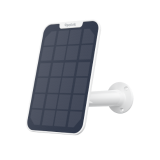
- Flexible installation options: Reolink offers both hard-wired and battery models. You can draw power from existing doorbell wires or rely on a rechargeable pack paired with a small solar panel.
- Subscription-free: You store clips on a microSD card up to 256 GB or link to a Reolink network recorder.
- Smart home integration: The doorbell syncs with Google Assistant and Amazon Alexa. You can see the live feed on smart displays and arm or disarm through voice commands.
When selecting the right doorbell camera for your home, consider four main factors:
Power and Connectivity: Determine your existing front door setup. If you have pre-existing chime wiring, a hardwired Wi-Fi doorbell provides continuous power. If you have a network cable routed to your porch, a Power over Ethernet (PoE) doorbelI guarantees the most stable connection. If you lack wiring or rent your home, a battery-powered doorbell camera offers wire-free installation.
Resolution and Field of View: Look for resolutions of 2K (4MP) or higher for clear facial recognition. A tall aspect ratio or wide field of view ensures head-to-toe visibility so you can see both visitors and packages dropped on the mat.
Storage and Subscription Costs: Decide whether you prefer cloud subscriptions or local storage. Cameras with onboard microSD card support, Home Hub compatibility, or NVR recording allow you to save video locally without paying ongoing monthly fees.
Smart Detection Features: Choose a model with on-device AI detection that distinguishes between people, vehicles, pets, and packages to prevent false alerts from passing traffic.
Reolink video doorbells are widely recognized for delivering high-spec hardware, versatile power options, and local storage without mandatory monthly fees. Key technical highlights include:
High Resolution Video: Models feature 2K+ (5MP) or 4K resolution options with head-to-toe coverage and infrared night vision.
Hardware Versatility: The lineup includes dedicated Power over Ethernet (PoE), dual-band (2.4/5GHz) Wi-Fi, and battery-powered models to fit any installation scenario.
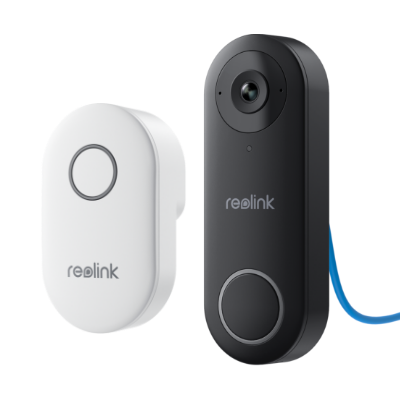
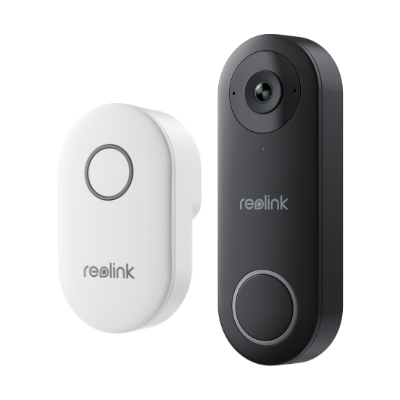
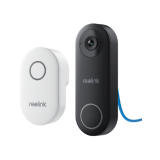
Included Accessories: Hardwired and Wi-Fi units include an indoor chime box in the package, eliminating the need to buy extra accessories.
Subscription-Free Storage: Footage records directly to an onboard microSD card (up to 256GB), a Reolink NVR, or a Home Hub, giving users full ownership of their video data with zero required subscription costs.
Smart Home Compatibility: Built-in AI person and package detection syncs with Google Assistant and Amazon Alexa for hands-free voice control and smart display streaming.
The "best" video doorbell camera ultimately depends on your specific home setup and security goals. All Reolink video doorbells are wallet-friendly options under $200, delivering 2K+ clarity and 100% local storage with zero monthly fees! Here are some recommendations that could resonate with you:
Best for Hardwired Ethernet Setups: The Reolink Video Doorbell PoE is ideal if you have network cabling, providing continuous 24/7 recording and ultra-stable data transmission without relying on Wi-Fi.
Best for Existing Doorbell Wiring: The Reolink Video Doorbell WiFi easily replaces traditional door chimes, leveraging dual-band 2.4/5GHz Wi-Fi and existing power wires for uninterrupted front porch security.
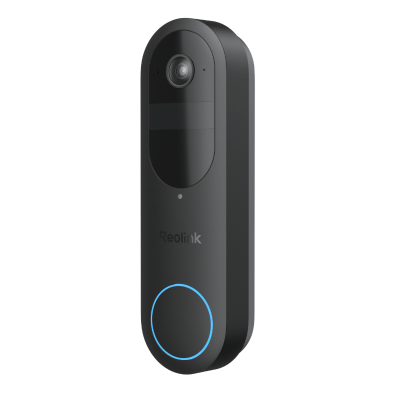
Best for Renters & Families: The Reolink Video Doorbell (2nd Gen) features a long-lasting rechargeable battery and zero-wire mounting. It can be installed at any height—making it a great option for kids and family members to check visitors before opening the door.
Yes, select Reolink video doorbells can operate locally without an active internet connection. A hardwired PoE (Power over Ethernet) video doorbell connected directly to a Reolink NVR will continuously record video 24/7 to local hard drives even if your home Wi-Fi or internet service goes completely offline. While a local Wi-Fi or cellular network is required to receive real-time push notifications on your smartphone when away from home, your video footage remains safely recorded on-site with 100% subscription-free privacy.
Yes. Brands such as Reolink offer doorbells that save to a microSD card or a home recorder. They give live view and motion alerts for free. You only pay a one-time hardware cost unless you later choose cloud backup.
Your front entrance often sets the first line of defense. A video doorbell upgrades that zone into an active barrier that sees, speaks, and records.
- Deters crime: A camera at eye level makes intruders think twice, lowering the chance of a break-in.
- Protects deliveries: You see, the moment a courier drops a package, and receives proof that someone tried to steal it.
- Allows instant talk: Two-way audio lets you guide guests, refuse sales pitches, or direct drivers without opening the door.
- Helps family safety: Elderly relatives and kids can check who is outside before unlocking, adding confidence and control.
- Stores clear evidence: Time-stamped clips support police reports and insurance claims, speeding investigations and payouts.
Many highly rated video doorbells don't require a subscription, such as the Reolink video doorbell cameras. They store the video locally, usually on a microSD card or in hard drive. This way you don't have to pay a monthly fee and you have more control over your recordings.
It depends. Some doorbell cameras do not record continuously. Instead, they only start recording when they are triggered by motion or an event. Once triggered, they send a notification to your phone, ensuring you do not miss the recorded clip.
However, the Reolink video doorbell PoE/WiFi supports 24/7 recording. You can set Reolink Video Doorbell PoE/WiFi to record 24/7 continuously using a micro SD card (not included) or an NVR.
It depends. Most wireless doorbell cameras typically require a Wi-Fi connection to function effectively. Wi-Fi allows the doorbell camera to connect to your home network and transmit data, such as video footage and alerts, to your smartphone or other devices.
However, PoE doorbell cameras do not necessarily need Wi-Fi for their primary functions. POE cameras receive both power and data through an Ethernet cable connected to a POE switch or injector.
If you use Reolink doorbell cameras without an Internet connection, the doorbell camera can still detect motion/person and record videos to the SD card. However, it cannot send alerts to your mobile devices, and you cannot live view it.
If the chime is connected to the doorbell, it will chime when the doorbell is pressed, regardless of the Internet connection.
You can install the doorbell camera at entry points of your property, such as the front door. It is recommended to mount the camera 1.2 meters (approximately 4 feet) above the ground. A 15° wedge is included to help you set up or adjust the camera to the optimal angle.


Be Prepared, Be Ahead
Never miss Reolink hot deals, news, and updates tailored for you.
Be Prepared, Be Ahead
Never miss Reolink hot deals, news, and updates tailored for you.

Google, Google Play, Google Assistant and related marks and logos are trademarks of Google LLC. Amazon, Alexa and all related logos are trademarks of Amazon.com, Inc. or its affiliates. Mac and Safari are trademarks of Apple Inc. App Store is a service mark of Apple Inc., registered in the U.S. and other countries. Firefox and the Firefox logo are trademarks of the Mozilla Foundation in the U.S. and other countries. Other product and company names mentioned herein may be trademarks of their respective companies.