Your cart is empty.

Portable security cameras are compact, easy-to-move cameras that provide flexible monitoring without permanent installation. Reolink portable cameras offer wireless connectivity, battery and solar power options, smart detection, and remote viewing without mandatory monthly fees. Ideal for renters, travelers, RVs, campsites, job sites, and temporary property monitoring.
No Product Found
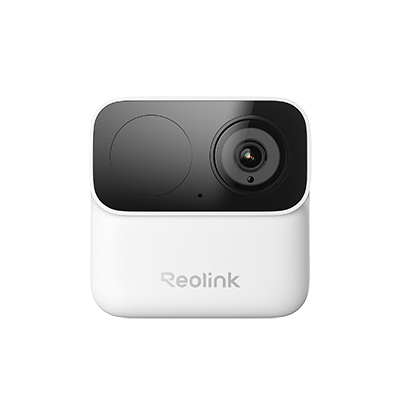
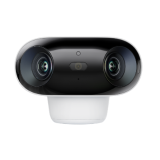
Portable Reolink cameras are easy to place where coverage is needed without running long power or Ethernet cables. This makes them useful for renters, temporary setups, seasonal properties, or users who may need to move a camera between different areas. For example, the Reolink Argus MagiCam is especially convenient for this purpose thanks to its magnetic mounting design.
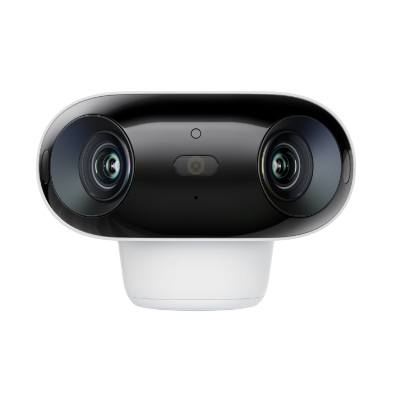
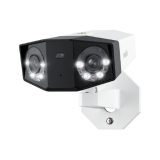
Battery-powered models reduce dependence on nearby outlets, while compatible solar panels can help extend outdoor operation with less manual charging. This is especially useful for yards, construction sites, cabins, and other places where wired power is difficult to access. For wider home and yard coverage, Argus 4 Pro combines a wire-free design with 4K resolution, a 180° panoramic view, ColorX night vision, and dual-band WiFi 6.
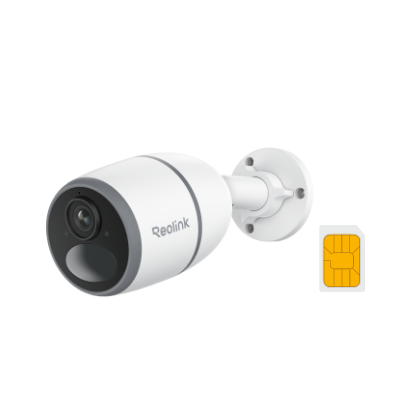
Use a WiFi portable security camera around homes, apartments, and RVs with reliable wireless coverage. For farms, job sites, cabins, or other locations without WiFi, Reolink 4G LTE cameras use cellular connectivity for remote viewing and alerts.
Reolink portable cameras can provide person, vehicle, or animal detection on supported models, helping reduce unnecessary notifications. Check live video and receive alerts through the Reolink App when activity occurs around an entrance, campsite, vehicle, or remote property.
Depending on the model, footage can be saved to a microSD card or compatible Reolink local storage solution. This gives users more control over recordings without requiring a mandatory cloud-storage subscription.
For flexible home or rental monitoring, choose a battery-powered WiFi model. For off-grid properties or job sites without internet service, a 4G LTE model, such as the Reolink Go Plus, is a better fit. If the camera will stay outdoors for longer periods, pairing it with a compatible solar panel can reduce maintenance.
The best portable security camera for travel should be compact, battery-powered, easy to mount, and simple to access remotely. Look for at least 1080p video, night vision, smart person or vehicle detection, two-way audio, and flexible mounting. A magnetic base or tripod-compatible mount is especially useful for hotels, RVs, cabins, and campsites. For longer trips, USB-C charging or solar compatibility can reduce downtime.
Yes. A security camera can work without internet if it supports local recording, such as a microSD card or NVR. However, features like remote live view, push notifications, and cloud access usually require internet connectivity. For locations without WiFi, a 4G LTE security camera can use cellular data instead.
The best portable security camera should be easy to move, simple to power, and flexible enough to work in different locations. Focus on the following features:
- Compact, durable design: Choose a small camera that is easy to carry and reposition. For outdoor use, weather resistance is important for porches, campsites, cabins, and temporary setups.
- WiFi or cellular connectivity: Dual-band WiFi works well at home, while 4G LTE is better for RVs, cabins, farms, or other locations without reliable WiFi.
- Battery and solar power: A rechargeable battery avoids permanent wiring, while solar compatibility is useful for longer trips or remote monitoring without nearby outlets.
- Easy mobile app access: Look for live view, motion alerts, playback, and detection-zone controls so you can monitor the camera remotely from your phone.
- Local storage: A portable security camera with local storage can save footage to a microSD card without depending entirely on cloud storage or mandatory monthly fees.
A mobile security trailer is far bigger than a pocket camera. It is mounted on wheels, raises cameras on a mast, and might bring floodlights and loudspeakers. Rental costs begin as low as $1,000 per week on a facilities-basic trailer, which requires shore power. The price of gear in units put together, including solar panels, diesel generators, and cellular backhaul, is five thousand dollars or above weekly.


Be Prepared, Be Ahead
Never miss Reolink hot deals, news, and updates tailored for you.
Be Prepared, Be Ahead
Never miss Reolink hot deals, news, and updates tailored for you.

Google, Google Play, Google Assistant and related marks and logos are trademarks of Google LLC. Amazon, Alexa and all related logos are trademarks of Amazon.com, Inc. or its affiliates. Mac and Safari are trademarks of Apple Inc. App Store is a service mark of Apple Inc., registered in the U.S. and other countries. Firefox and the Firefox logo are trademarks of the Mozilla Foundation in the U.S. and other countries. Other product and company names mentioned herein may be trademarks of their respective companies.