Your cart is empty.

Motion detection cameras automatically detect movement or specific types of activity and can trigger recording or alerts when an event occurs. Reolink motion detection cameras add smart person, vehicle, and animal detection, instant app alerts, high-resolution video, night vision, and flexible local storage without a mandatory subscription. They are ideal for monitoring entrances, driveways, yards, garages, indoor spaces, and other areas where timely event detection matters.
No Product Found
Reolink cameras use advanced motion detection technologies, including AI-powered person, vehicle, and pet detection, to help distinguish meaningful activity from common triggers such as moving leaves, shadows, or small animals.
Customizable sensitivity levels and motion zones allow you to focus alerts on areas that matter most, such as driveways, entrances, and backyards.
Clear footage is essential when a motion event occurs. Reolink motion sensor cameras offer high-resolution video options, advanced night vision, and smart lighting features to help capture important details around your property, even in low-light conditions.
Whether you need a camera for a front door, driveway, backyard, or remote location, Reolink offers multiple installation options:
- Battery-powered cameras: Ideal for locations where running cables is difficult.
- Solar-powered cameras: A practical choice for outdoor areas with limited access to power.
- PoE cameras: Best for users who need stable connections and continuous recording.
- WiFi cameras: Suitable for convenient home monitoring.
Reolink motion sensor cameras support flexible storage options depending on the model, including microSD cards, NVRs, and local storage solutions. This allows users to keep important recordings without relying only on cloud storage subscriptions.
- Best Battery Motion Sensor Camera: Reolink Argus 4 Pro is a wire-free outdoor camera designed for flexible installation. Its wide viewing angle helps cover larger areas, while smart detection features help identify people, vehicles, and other activity. With battery power and solar panel compatibility, it is a convenient choice for users who want motion monitoring without running cables.
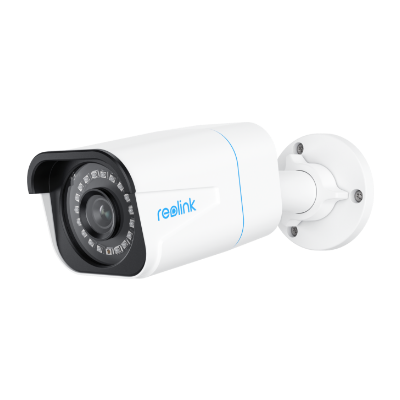
- Best PoE Motion Sensor Camera for 24/7 Monitoring: Reolink RLC-810A provides stable PoE connectivity and high-resolution video. Perfect for users who want reliable wired security.
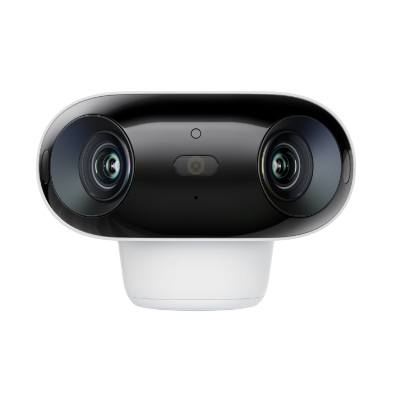
- Best PTZ Motion Tracking Camera: Reolink TrackMix WiFi combines wide-angle monitoring with telephoto views, helping users follow moving objects while maintaining detailed footage. They are suitable for larger properties where a fixed-angle camera may leave blind spots.
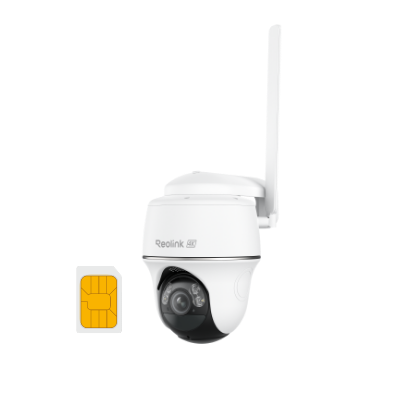
- Best Solar Motion Sensor Camera for Remote Areas: Reolink Go PT Ultra uses 4G LTE connectivity to provide remote monitoring. Combined with battery power and solar charging options, it works well for locations where installing wired cameras is difficult.
Most motion activated security cameras use PIR sensors to detect heat and motion. The built-in PIR sensor monitors the ambient temperature and detects variations in infrared radiation and heat when a person or animal moves in front of the camera lens.
Upon detecting a temperature change within its field of view, the PIR sensor sends a wake-up signal to the camera's control board. The motion sensor camera then begins recording video or taking snapshots based on its settings. It typically records for a predetermined duration (commonly referred to as "trigger time") before returning to standby mode.
Modern motion sensor cameras that alerts your phone also have advanced features like night vision, time-lapse modes, and the ability to send real-time notifications to your mobile device upon motion detection and activation.
To ensure reliability, security, and convenience, consider the following features when selecting an outdoor motion sensor camera with night vision.
- Weatherproof Rating: Outdoor Cameras with motion sensor need to be weather resistant. Cameras with an IP65 or higher weatherproof rating will ensure long-term durability. For areas known for unpredictable weather, better sealing means less maintenance and more uninterrupted footage.
- Detection Range: The detection range refers to how far your motion cameras can detect and respond to movement. If you're monitoring a large outdoor area—such as a backyard, garage, driveway, or front yard—a detection range of at least 30 feet is ideal.
- Motion Sensitivity: Adjustable motion sensitivity allows you to customize how easily the camera triggers alerts. High sensitivity ensures even the smallest movements are captured, while low sensitivity reduces false alarms caused by small animals, falling leaves, or strong winds. With user-configurable "motion zones" and sensitivity settings on Reolink motion detector cameras, you can focus on what truly matters and filter out unnecessary activity in high-traffic areas or open spaces.
- Night Vision Mode: Choosing a motion detector camera with night vision ensures your property is protected even in complete darkness. Infrared (IR) night vision allows the camera to record clear black-and-white footage at night, while newer models provide full-color night vision for enhanced visibility. Night vision is crucial for detecting intruders, wildlife, or suspicious activity after dark. Look for a camera with a night vision range of at least 30 feet.
- Solar Panel Compatibility: Choosing a solar motion sensor light with a camera that supports solar panel power ensures your system remains consistently powered without the need for electrical outlets or frequent battery changes. It's an excellent solution for remote areas, sheds, farms, or situations where power wiring is challenging. Be sure to choose a weatherproof solar panel and position it to face the sun for optimal performance.
- Smartphone App: Smartphone connectivity transforms a basic camera into an intelligent security system. With app support, you can monitor live video streams, receive instant motion alerts, and access recorded footage of your outdoor cameras from anywhere.
A motion sensor camera is triggered when it detects movement or changes in heat. Common triggers include:
- Humans walking within the camera’s field of view
- Pets or animals moving near the sensor
- Vehicles passing by
- Sudden temperature changes
- Changes in light or shadows
Most motion cameras use infrared (body heat), microwave signals, or video-based motion detection. Adjusting the camera’s position and sensitivity can help reduce false alarms.
No. Motion sensor cameras don't record all the time and they remain in a stand-by mode until it detects motions and starts recording. Compared to continuous recording cameras, these cameras saves more energy and storage space.
The best motion sensor camera should have accurate motion detection, high-resolution video, smart features, and durability. A great camera with motion sensor must have PIR or AI-based detection to reduce false alarms and support custom motion zones for precise monitoring. Higher resolutions like 2K or 4K, along with night vision capability will ensure clear footage day and night. Check out Reolink motion detector cameras, such as the Argus 4 Pro, featuring wide detection range (30+ feet) and 180° field of view.
Yes, you can use your phone as a motion detector camera with the help of apps that turn your phone’s camera into a security device.
1. Install a security or surveillance app – Many apps allow your phone to detect motion and send alerts. Examples include Alfred, Manything, or Presence.
2. Place your phone in a fixed position – Make sure it has a clear view of the area you want to monitor.
3. Enable motion detection – The app will use your phone’s camera to detect movement or changes in the scene.
4. Receive notifications or record video – Most apps can send push notifications or store footage when motion is detected.
Yes. Motion sensor cameras work at night if they include night vision functionality. Most motion cameras use infrared (IR) LEDs to enable black & white images to be recorded at night when ambient light is absent.


Be Prepared, Be Ahead
Never miss Reolink hot deals, news, and updates tailored for you.
Be Prepared, Be Ahead
Never miss Reolink hot deals, news, and updates tailored for you.

Google, Google Play, Google Assistant and related marks and logos are trademarks of Google LLC. Amazon, Alexa and all related logos are trademarks of Amazon.com, Inc. or its affiliates. Mac and Safari are trademarks of Apple Inc. App Store is a service mark of Apple Inc., registered in the U.S. and other countries. Firefox and the Firefox logo are trademarks of the Mozilla Foundation in the U.S. and other countries. Other product and company names mentioned herein may be trademarks of their respective companies.