Your cart is empty.

Why Choose Reolink Floodlight Cameras?
Reolink floodlight cameras combine powerful LED illumination with advanced security monitoring to help protect outdoor areas day and night. Designed for driveways, yards, entrances, and other important spaces, these cameras provide bright lighting, high-resolution video, smart detection, and flexible storage options without requiring a separate floodlight and security camera setup.
Bright Floodlight & Clear Night Monitoring
A Reolink floodlight camera combines powerful LED lighting with high-resolution video to help you capture important details in low-light environments. When motion is detected, the built-in floodlight can automatically illuminate dark areas, while advanced night vision technologies help maintain clear monitoring after sunset.
Smart Detection with Fewer False Alerts
Reolink floodlight cameras use AI-powered detection to help distinguish between important events and irrelevant movements. Depending on the model, smart detection can identify people, vehicles, pets, or other objects.
With features such as customizable detection zones, adjustable sensitivity settings, real-time notifications, and built-in sirens on selected models, Reolink floodlight cameras help you respond quickly when meaningful activity occurs.
Wide Coverage for Driveways, Yards & Entrances
Reolink floodlight cameras are designed to protect larger outdoor areas with features that help minimize blind spots. Selected models offer wide-angle views, dual-lens designs, PTZ functionality, or auto tracking capabilities to monitor more of your property from a single camera.
Wireless Installation with Flexible Power Options
Reolink offers flexible floodlight camera solutions for different installation environments. Depending on the model, users can choose from plug-in Wi-Fi, battery-powered, or solar-powered options to install cameras in locations where traditional wired connections may be difficult.
Solar-powered and battery-powered models provide greater installation flexibility, while wired and PoE models offer continuous power for users who prefer a more permanent security setup.
Local Storage Without Mandatory Subscription
Reolink floodlight security cameras provide flexible local recording options without requiring a mandatory monthly subscription. Depending on the model, users can store footage locally through microSD cards, Reolink NVRs, or Home Hub systems for greater privacy and control.
What Benefits Can a Floodlight Camera Provide?
A floodlight camera combines bright outdoor lighting and smart security monitoring in one device, making it a practical choice for many US homes. Whether you want to protect a driveway, front porch, backyard, garage, or other outdoor areas, a floodlight security camera helps improve visibility, detect activity, and keep your property monitored day and night.
1. Improve Outdoor Visibility at Night
Many US homes have outdoor areas such as driveways, front yards, and backyards that can become difficult to monitor after dark. A floodlight security camera adds powerful illumination to these spaces while recording clear video.
2. Detect Motion and Illuminate Suspicious Activity
A floodlight security camera can automatically turn on its light when motion is detected. This is especially useful for driveways, side yards, garages, and entryways, where sudden lighting can help deter unwanted visitors and capture important events.
3. Monitor Large Outdoor Areas
Many American homes have larger outdoor spaces that require wider coverage. A floodlight camera with wide-angle views, high-resolution video, and smart tracking features can help monitor areas like backyards, patios, gates, and parking areas while reducing blind spots.
4. Communicate Through Two-Way Audio
Two-way audio allows you to communicate with people outside your home through the camera. You can speak with delivery drivers at the front door, check on family members in the yard, or warn unwanted visitors without opening the door.
5. Protect Your Property in Different Weather Conditions
Outdoor security cameras in the US need to handle changing weather throughout the year, from heavy rain and snow in colder regions to high temperatures and strong sunlight in warmer areas. A weather-resistant floodlight camera helps provide reliable protection for your home through different seasons.
How to Choose a Floodlight Security Camera?
The best floodlight security camera depends on where you install it, how much area you need to cover, and your preferred power option.
Wired vs. Wireless Floodlight Camera
Wired floodlight cameras provide reliable, continuous power and are ideal for permanent outdoor security. Wireless models offer easier installation and flexible placement, especially in areas where running cables is difficult.
Floodlight Camera vs. Separate Security Camera + Light
Compared with a separate security camera and outdoor light, a floodlight camera provides a more integrated solution for monitoring entrances, driveways, yards, and other outdoor spaces.
Light Brightness
Choose brightness based on your monitoring area. Around 1,800 lumens is suitable for smaller areas, while 2,400–3,000 lumens is better for larger driveways, yards, and open spaces.
Weatherproofing
For outdoor use, choose a floodlight camera with weather-resistant protection to handle rain, dust, heat, and cold for reliable year-round security.
Best Reolink Floodlight Cameras for Different Needs
The right Reolink floodlight camera depends on where you want to install it and the level of coverage you need. Choose from driveway security, wide-area monitoring, or solar-powered protection for remote locations.
Floodlight Cameras for Driveways
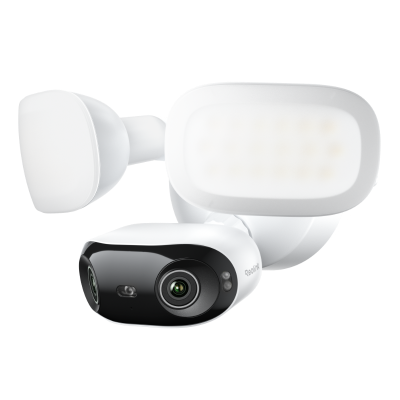
For garages, driveways, and entrances, the Reolink Elite Floodlight WiFi provides bright lighting, smart detection, and high-resolution video to help monitor vehicles, visitors, and outdoor activity day and night.
Floodlight Cameras for Large Outdoor Areas
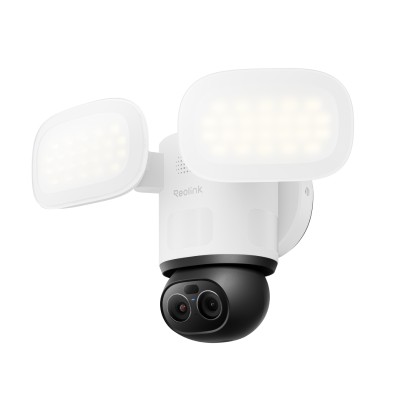
For large yards and open spaces, the Reolink TrackFlex Floodlight WiFi offers 4K dual-lens video, pan-and-tilt coverage, auto tracking, Wi-Fi 6, and up to 3,000-lumen floodlights to capture more details with fewer blind spots.
Solar Floodlight Cameras for Remote Locations
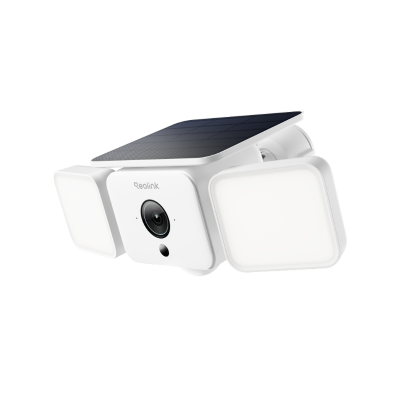
For sheds, gardens, farms, or areas without easy access to power, the Reolink Solar Floodlight Cam provides a flexible wireless installation with solar charging for reliable outdoor security.