Your cart is empty.

Explore Reolink solar cameras for eco-friendly home protection in US store. Find reliable Wi-Fi or 4G solar-powered security cameras for continuous power, including outdoor wireless security camera systems and standalone solar cameras.
Series/Type
Scenarios
Power Options
Network connection
Resolution
Lens
Night Vision
Light
Weatherproof
Channels
Color
Compatibility
Special Features
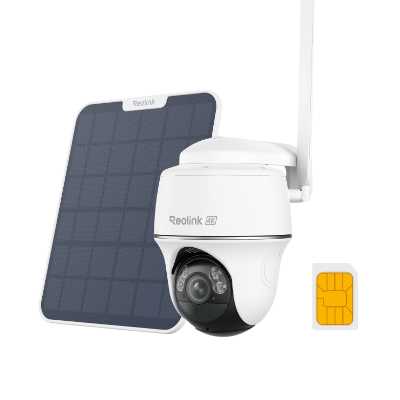
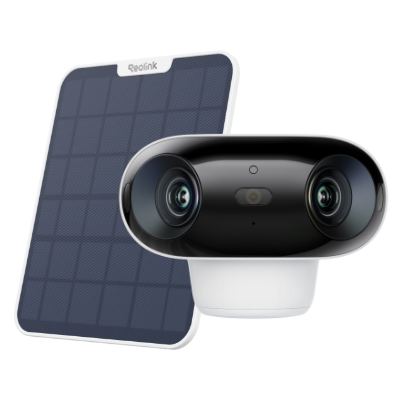
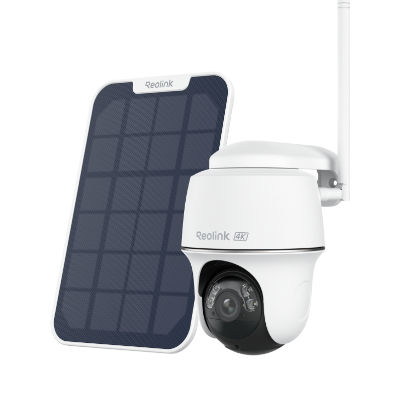
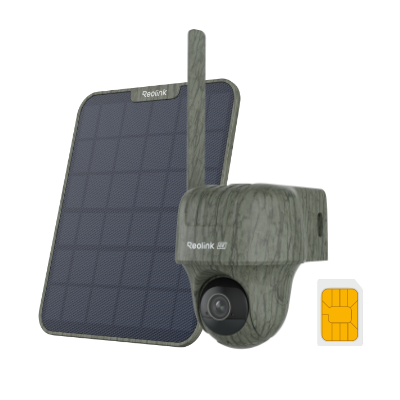
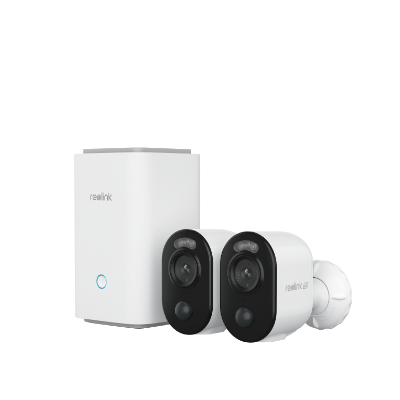
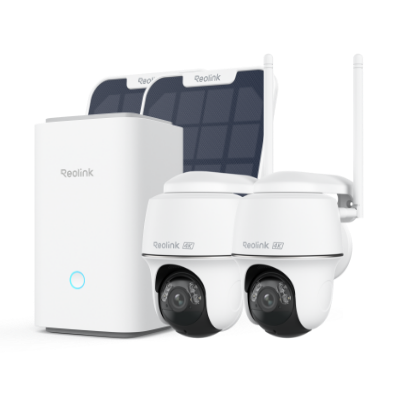
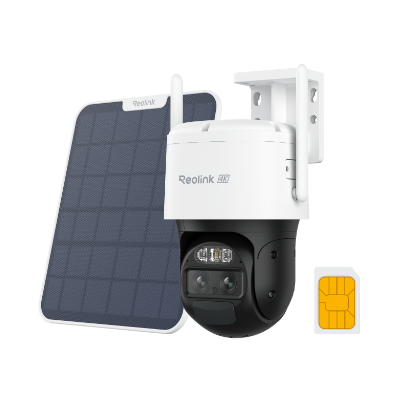
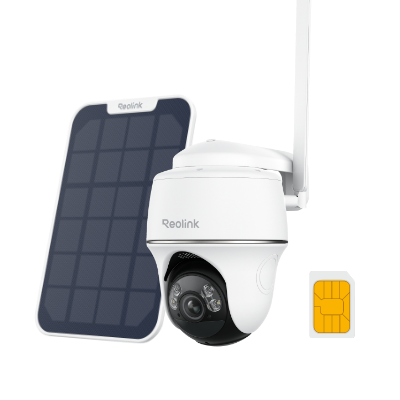
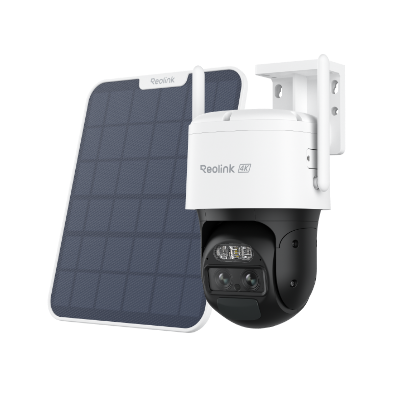
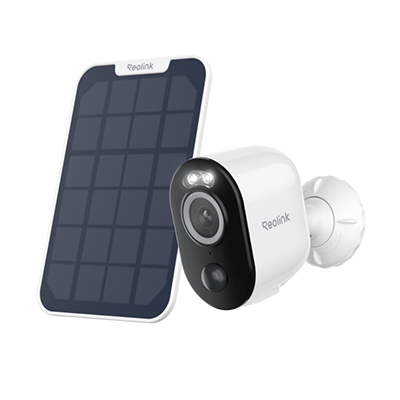
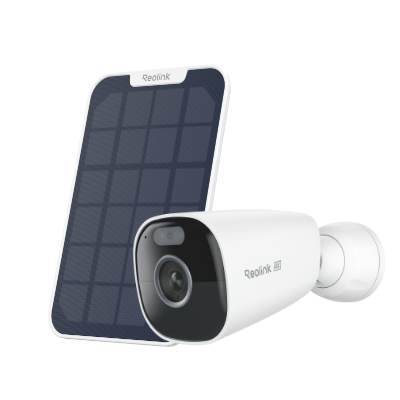
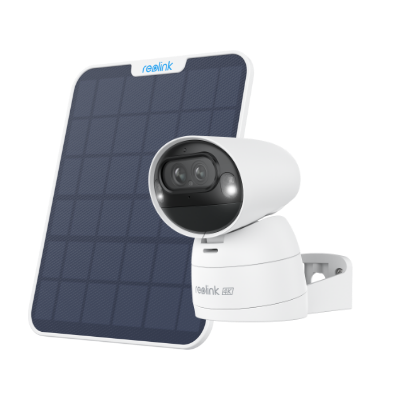
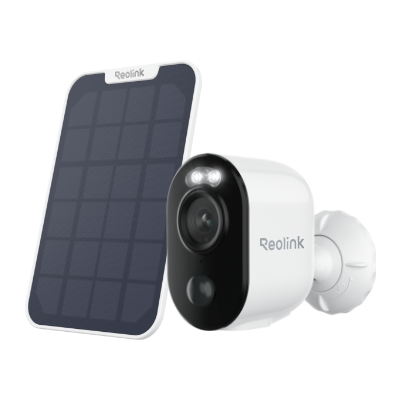
True wireless freedom: A solar-powered camera does not need a wall outlet. The built-in panel uses sunlight, fills the battery, and keeps the camera awake.
Flexible Connectivity: Whether you choose a Wi-Fi model for typical home use or a 4G LTE option for rural or off-grid locations, Reolink solar cameras adapt to your connectivity needs.
No Subscription Required: Reolink lets you store footage locally—on a microSD card or home hub—without mandatory cloud fees. You get full functionality without ongoing subscription costs.
Smart Detection & Alerts: Advanced motion detection helps reduce false alarms and sends instant notifications to your phone, keeping you informed of important events.
Built for Outdoor Use: Durable and weather-resistant, Reolink solar cameras are designed to withstand outdoor elements like rain, dust, and heat, ensuring dependable performance year-round.
When choosing the best solar-powered wireless security camera, focus on these key factors to ensure reliable, year-round performance:
- Solar panel efficiency: A high efficiency solar panel produces more Watts in the same square inch. It gets charged quicker during brief days of winter.
- Battery capacity: The battery bridges the gap between the daylight and the night. The higher the milliamp-hour (mAh) rating, the more reserve hours there are.
- Video resolution: Most of the new cameras shoot 2K or 4K . There is more storage and bandwidth consumed by higher resolution, so be careful of clarity with your data limits.
- Weather proofing: Choose one with an IP (Ingress Protection) rating. The raindrops, dubbed driving rain, and wind-driven dust are dealt with in IP66 or higher. It should also be insulated so that it can discharge heat during the summer and remain closed during snowfall.
The core idea is simple: the solar panel charges a battery, and the battery powers the camera. For small home setups, the panel connects directly to the camera’s charging port, with an internal charge controller regulating the voltage.
Larger multi-camera systems typically use an external charge controller, a deep-cycle battery bank, and sometimes a small inverter if AC power is required.
Yes, solar-powered security cameras offer continuous, eco-friendly power, and reduce the need for frequent battery replacements or wiring for electricity. They are especially useful in areas with ample sunlight. Many models use WiFi or 4G connectivity. Some of the best solar security camera systems are weatherproof, making them perfect for outdoor use.
Yes, Reolink solar-powered security cameras can operate at night as long as the battery is sufficiently charged. The camera stores energy from sunlight during the day and uses that stored power to run after dark for a set period of time.
Yes, most solar security cameras require WiFi to transmit video footage and enable remote monitoring, but some models also use 3G/4G connectivity for internet connection. The solar panels that power the camera, however, don't use WiFi for their operation.
Absolutely. With no wiring or grid connection required, Reolink’s solar-powered wireless security cameras are ideal for cabins, barns, farms, and other remote areas with limited access to power. Simply mount the camera and start monitoring as long as a Wi-Fi/4G connection is available.


Be Prepared, Be Ahead
Never miss Reolink hot deals, news, and updates tailored for you.
Be Prepared, Be Ahead
Never miss Reolink hot deals, news, and updates tailored for you.



Google, Google Play, Google Assistant and related marks and logos are trademarks of Google LLC. Amazon, Alexa and all related logos are trademarks of Amazon.com, Inc. or its affiliates. Mac and Safari are trademarks of Apple Inc. App Store is a service mark of Apple Inc., registered in the U.S. and other countries. Firefox and the Firefox logo are trademarks of the Mozilla Foundation in the U.S. and other countries. Other product and company names mentioned herein may be trademarks of their respective companies.


