カートは空です。

Explore Reolink plug-in security cameras—powered for 24/7 outdoor protection with or without WiFi. Enjoy smart features, clear footage, and reliable performance anytime.
No Product Found
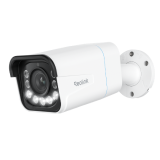
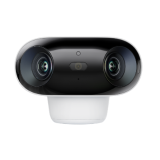
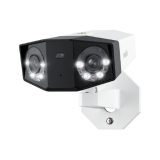
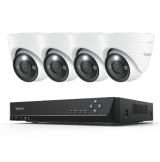
A plug-in camera is powered through a wired connection. It uses a DC adapter, which is connected to an AC outlet. It gets uninterrupted power for 24/7 reliable and continuous performance without recharging or replacing batteries. It uses a Wi-Fi network, Ethernet connection, or a cellular network (SIM card) to access the internet. If there is a power outlet nearby, it is a highly reliable option compared to battery-powered cameras.
Plug-in Security Camera No Wi-Fi: A plug-in security camera with no Wi-Fi does not rely on a home Wi-Fi network for data transmission. Instead, it uses other methods, such as an Ethernet cable to connect to a recorder/local network, or a cellular network (SIM card) to access the internet. Or it can also use a coaxial cable to connect analog cameras to a DVR. It stores data locally, such as DVR/NVR, and some models have a dedicated microSD card slot.
Plug-in Security Camera with Wi-Fi: A plug-in security camera with Wi-Fi is connected to a Wi-Fi network to get internet access. You have to place the cameras within the Wi-Fi range: indoor cameras typically reach up to 100 meters, while outdoor cameras like the Reolink Elite Floodlight WiFi can cover up to 150 meters. They are suitable for locations where Wi-Fi are already available.
Power Source Location: Consider the power location before selecting a plug-in camera. Look for nearby AC outlets to provide a consistent power supply. Make sure there is enough wire to cover the distance between the camera and the power outlet.
Video Resolution: The video resolution should be high to ensure optimal clarity and intricate details. For better results, go with a 4K security camera. Also, the camera should have night vision to capture clear videos at night.
Storage Options: The camera should have flexible storage options. It is better if it has a microSD card slot or compatibility with NVR or FTP service. You will be able to store all your recordings without any monthly fee.
Outdoor Use: For outdoor usage, the camera should be weatherproof. It allows it to work in all weather conditions, including rain and snow. Go with an IP65 or higher rating for reliable performance.
Smart Features & Compatibility: Look for the smart features that the camera offers. Smart detection, remote view, and real-time alert are necessary features. Also, the camera should be compatible with smart home systems.
Let's take Reolink plug-in security cameras as an example to understand how to install these cameras.
Step 1: Choose a location to place the security camera. Make sure it has a clear field of view without any obstructions.
Step 2: Use the mounting template and drill the required holes. Place the mounting template and secure it with screws.
Step 3: Install the camera. Connect the adapter to the camera and insert it into a nearby AC outlet. If it's a cellular camera, insert a SIM card.
Step 4: Turn on the camera. Open the Reolink app on your smartphone and tap on the Add a New Device option.
Step 5: Complete the initialization process. Name the camera and set the password. Finally, test how it is working.
No, not all plug-in security cameras need Wi-Fi. You can go with the 4G LTE version. It uses a SIM card with a data plan to access the internet. Ethernet cameras also do not require Wi-Fi. You can connect them to a local storage through a wired connection. But if you have a Wi-Fi plug-in camera, it will require Wi-Fi for data transfer and features like real-time alerts and remote view.
You can plug a Reolink plug-in camera directly into an AC outlet. It comes with an adapter. You need to connect the adapter to the camera and then plug it into a nearby AC outlet. Reolink also offers other cameras that do not support a plug-in connection.


準備を整え、一歩先を行きましょう
Reolinkのユーザー向けのお得な情報、ニュース、アップデートをお見逃しなく。
準備を整え、一歩先を行きましょう
Reolinkのユーザー向けのお得な情報、ニュース、アップデートをお見逃しなく。

Google、Google Play、Google Assistantおよび関連するマークおよびロゴは Google LLCの商標です。 Amazon、Alexa、およびそれらに関連するすべてのロゴは、Amazon.com, Inc. またはその関連会社の商標です。 MacおよびSafariは、Apple Inc.の商標です。 App Storeは、Apple Inc.のサービスマークであり、米国およびその他の国で登録されています。 FirefoxおよびFirefoxのロゴは、米国およびその他の国におけるMozilla Foundationの商標です。 ここに記載されているその他の製品名および会社名は、それぞれの会社の商標である場合があります。