Your cart is empty.

A security camera without WiFi is a camera that does not rely on a home WiFi network for connection or operation. These cameras typically use cellular networks, wired Ethernet connections, or local storage for recording. Reolink offers flexible options with high-resolution video, smart person/vehicle detection, local storage, solar-powered setups, and no required monthly subscription on supported models. Ideal for farms, cabins, construction sites, large properties, and other remote or off-grid locations where WiFi is unavailable or unreliable.
Series/Type
Scenarios
Power Options
Network connection
Resolution
Lens
Night Vision
Light
Weatherproof
Color
Compatibility
Special Features
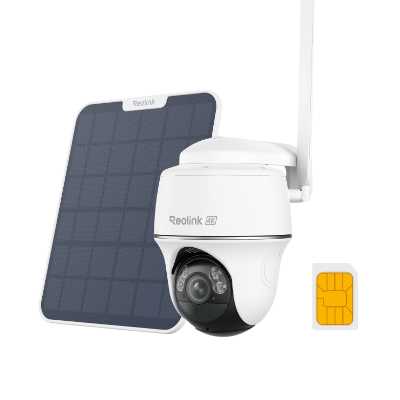
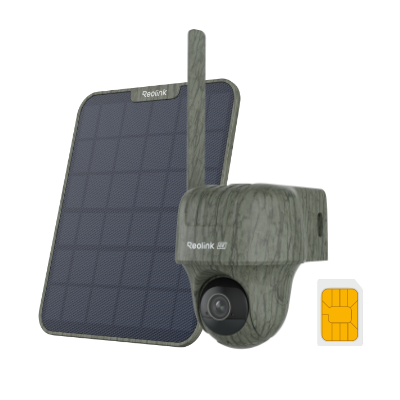
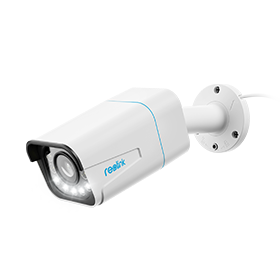
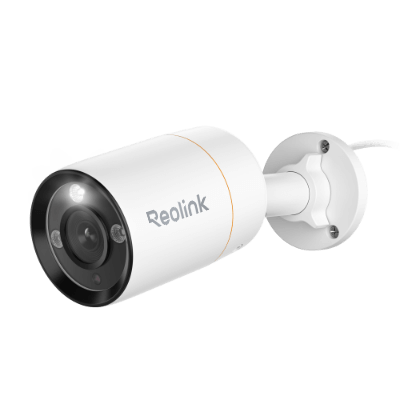
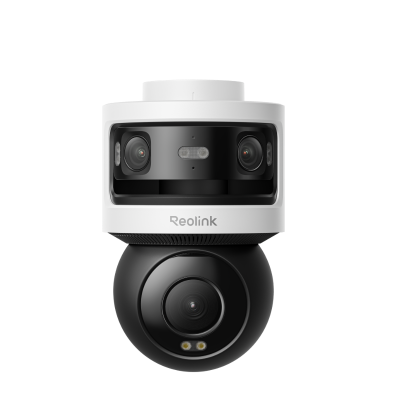
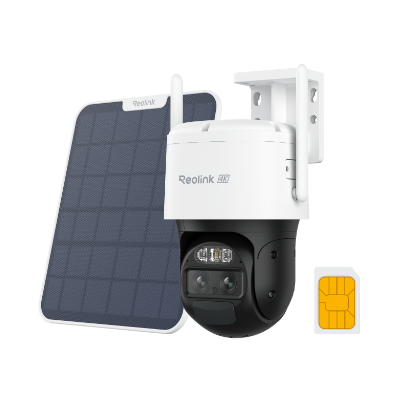
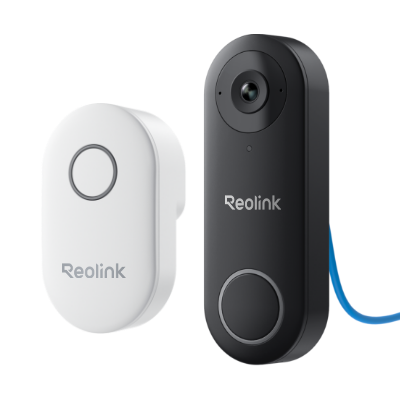
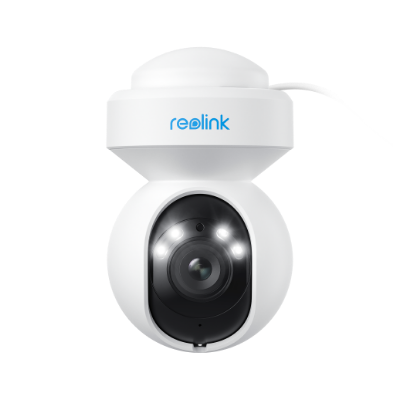
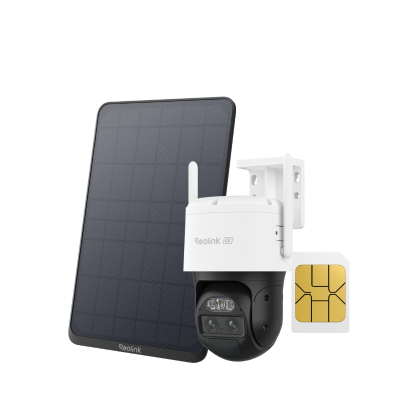
Reolink security cameras without WiFi keep protecting your property even when internet access is unavailable. Models like Reolink TrackMix LTE use 4G LTE connectivity to send alerts and enable remote viewing without relying on a home WiFi network—ideal for areas with unstable internet coverage.
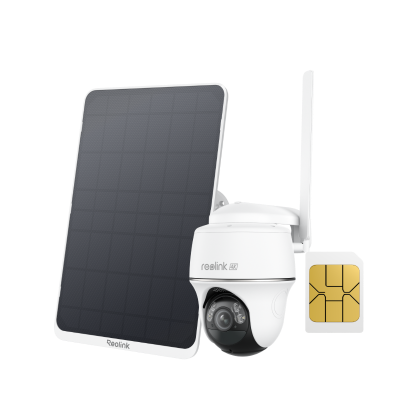
Reolink no WiFi security cameras deliver sharp video quality and flexible coverage for homes, businesses, and remote locations. For example, Reolink Go PT Ultra offers 4K resolution with pan-and-tilt functionality, helping you monitor wider areas with fewer blind spots. These cameras that work without WiFi are especially useful where broadband service is unavailable or unreliable.
Reolink offers practical options for users looking for a no WiFi no subscription security camera. Unlike cloud-dependent systems, Reolink cameras that don't need WiFi support local storage options, including microSD cards and NVRs. Keep your recordings private, accessible, and under your control without paying recurring subscription fees.
Reolink farm security cameras without WiFi are designed for places where traditional internet connections are unavailable. 4G LTE and battery-powered models are ideal for farms, cabins, construction sites, and vacation homes, providing reliable surveillance wherever you need it. If you need an IP camera without internet, local recording can still provide on-site surveillance even when remote access is unavailable.
For locations without convenient power access, Reolink solar-powered cameras provide continuous protection with renewable energy. Pairing solar charging with security cameras without WiFi reduces maintenance and keeps remote monitoring running year-round.
WiFi and Internet are different. A camera can work without WiFi but still use another connection, such as Ethernet or cellular data. A camera can also record without Internet if it stores footage locally on a microSD card or NVR.
- 4G LTE cameras: Cellular security cameras use a cellular network instead of WiFi. These cameras require a SIM card with data plans and work well in places like farms, remote properties, and areas without internet access.
- PoE cameras: PoE cameras use Ethernet cables for power and data. They can connect to an NVR or PoE switch for reliable wired surveillance.
- Local storage cameras: Local storage allows recording without cloud services, but some cameras may still require WiFi or network access for setup and remote viewing.
Yes. Security cameras can work without Internet by recording footage locally to a microSD card, NVR, or DVR. Wired PoE systems can also operate on a local network without Internet access. However, features such as remote viewing, push alerts, and cloud storage usually require an Internet or cellular connection.
The best offline security camera depends on whether you mean no WiFi, no Internet, or no cloud storage.
- For remote areas: Choose a 4G LTE camera.
- For 24/7 recording: Choose a PoE camera with an NVR.
- For no cloud or monthly fees: Choose a camera with local storage.
- For flexible outdoor use: Choose a battery or solar-powered model with local recording.
Yes. PoE cameras do not use WiFi because they transmit video and receive power through Ethernet cables. They are commonly connected to an NVR or PoE switch for local recording.
Not always. Only 4G LTE security cameras require a SIM card or cellular data service. PoE cameras, wired systems, and cameras that record locally to a microSD card or NVR do not need a SIM card.
The easiest option is a 4G LTE security camera, which uses a cellular network to send live video and alerts to your phone through an app. Some cameras can also be viewed over a local network, but remote access usually requires Internet or cellular connectivity.
Yes, most security cameras still need power. WiFi describes the network connection, not the power source. Cameras may use wired power, PoE, batteries, solar panels, or cellular connections.


Be Prepared, Be Ahead
Never miss Reolink hot deals, news, and updates tailored for you.
Be Prepared, Be Ahead
Never miss Reolink hot deals, news, and updates tailored for you.

Google, Google Play, Google Assistant and related marks and logos are trademarks of Google LLC. Amazon, Alexa and all related logos are trademarks of Amazon.com, Inc. or its affiliates. Mac and Safari are trademarks of Apple Inc. App Store is a service mark of Apple Inc., registered in the U.S. and other countries. Firefox and the Firefox logo are trademarks of the Mozilla Foundation in the U.S. and other countries. Other product and company names mentioned herein may be trademarks of their respective companies.