Your cart is empty.

Build a security system on your own terms, not one locked to a single app or brand. Reolink's ONVIF-compatible cameras integrate with the NVR, VMS, or NAS you already have, so you're free to add more cameras later without ripping out what already works. Pair them with Blue Iris, Synology Surveillance Station, or QNAP, and get an open-standard security system for your home or business.
No Product Found
Plenty of popular home security cameras only work inside their own app, with no way to add a different NVR or software platform later. A Reolink ONVIF camera skips that trade-off, connecting to the third-party NVR or software you choose, so your camera never locks you into one company's ecosystem down the road.
Camera brands tend to pick a side, either a simple, polished app with no outside access, or full technical openness aimed mainly at installers. A Reolink ONVIF camera gives you both, the Reolink App for everyday viewing and alerts, plus real, working access from Blue Iris, Synology Surveillance Station, or QNAP whenever you want to expand beyond it.
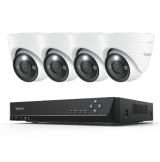
The compatibility runs in both directions. A Reolink NVR can also pull in third-party ONVIF cameras, so you can grow an existing system without tearing out hardware that still works.
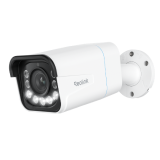
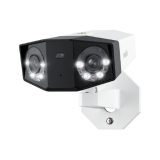
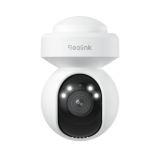
ONVIF support spans Reolink's PoE bullet and dome cameras, the TrackMix PoE for pan-tilt-zoom coverage, the Duo 3 PoE for 180° panoramic views, and PoE video doorbells for the front door. Whatever the layout of your home or business, there's an ONVIF camera that fits it.
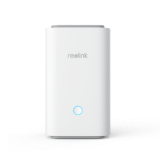
Support depends on the camera type, not the whole lineup. Reolink's PoE and plug-in WiFi models, including the RLC series, E1 Outdoor series, and Duo series, support ONVIF on their own. Battery-powered models like the Argus and Altas series need a Reolink Home Hub to gain ONVIF access, and NVR kit cameras need a Reolink NVR. Check your exact model against Reolink's ONVIF compatibility list before buying for a specific integration.
Profile S is the original ONVIF standard, built for basic H.264 video streaming and simple pan-tilt-zoom control. Profile T is the newer standard, adding H.265 support for 4K streaming, two-way audio, and more advanced motion alerts. In October 2025, ONVIF itself announced it will phase out Profile S because its authentication method no longer meets current security standards, and it now recommends Profile T going forward. Existing Profile S devices keep working, but Profile T is the one to look for in a new purchase.
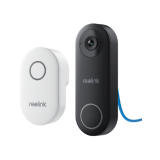
It depends on the model. Wired doorbells like the Doorbell PoE and Duobell WiFi support ONVIF on their own, while the battery-powered doorbell needs a Reolink Home Hub to access it.
Yes, for models that support ONVIF standalone. Reolink publishes step-by-step setup guides for both, adding a Reolink camera to Blue Iris and adding a Reolink camera to Synology Surveillance Station, and the default ONVIF port is 8000 unless you've changed it. Confirm your specific camera model supports ONVIF first, since not every Reolink camera does without a Home Hub or NVR in between.


Be Prepared, Be Ahead
Never miss Reolink hot deals, news, and updates tailored for you.
Be Prepared, Be Ahead
Never miss Reolink hot deals, news, and updates tailored for you.

Google, Google Play, Google Assistant and related marks and logos are trademarks of Google LLC. Amazon, Alexa and all related logos are trademarks of Amazon.com, Inc. or its affiliates. Mac and Safari are trademarks of Apple Inc. App Store is a service mark of Apple Inc., registered in the U.S. and other countries. Firefox and the Firefox logo are trademarks of the Mozilla Foundation in the U.S. and other countries. Other product and company names mentioned herein may be trademarks of their respective companies.