Your cart is empty.

Find best pet cameras for cats and dogs at Reolink UK. Monitor your pets in real time with high-definition video, two-way audio, and motion alerts. Reolink indoor and wireless cameras let you watch, talk to, and even keep your pets safe while you’re away.
Series/Type
Scenarios
Power Options
Network connection
Resolution
Storage
Lens
Night Vision
Light
Weatherproof
Channels
Color
Compatibility
Special Features
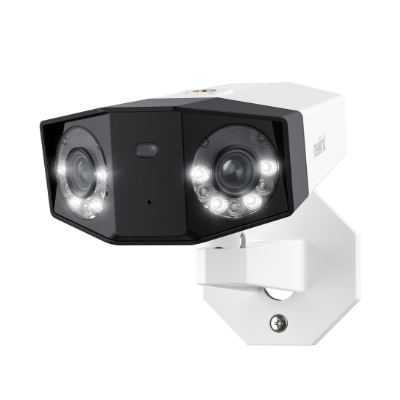
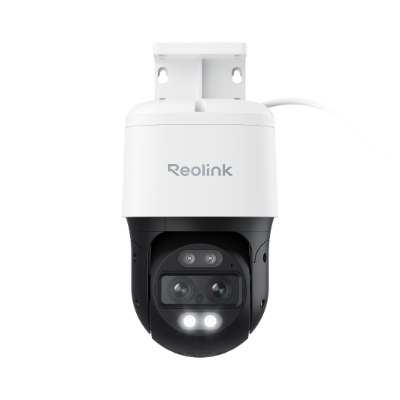
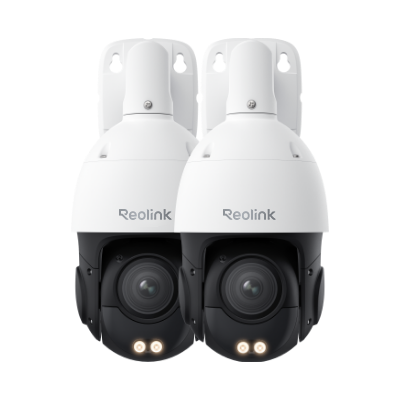
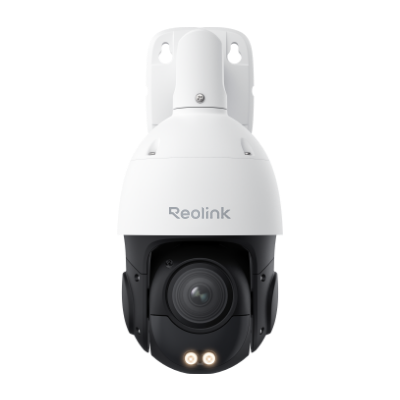
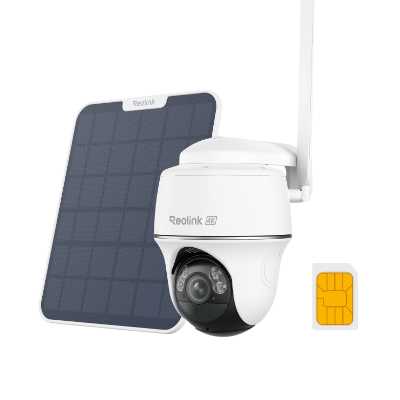
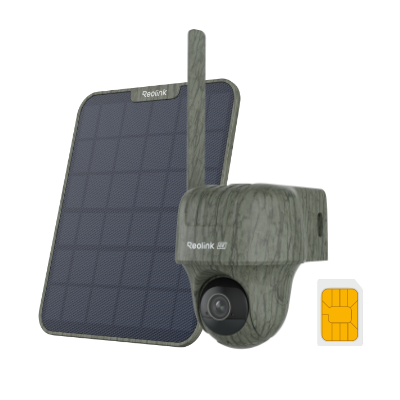
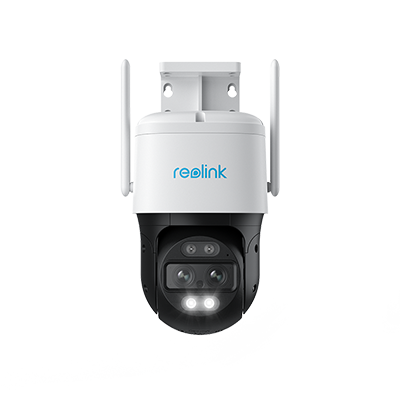
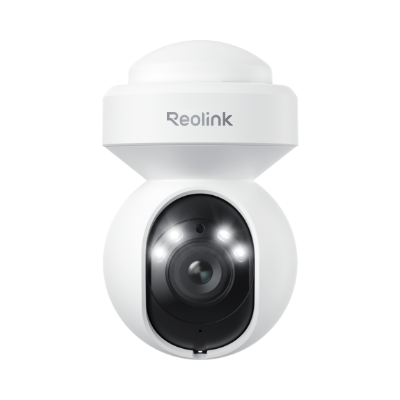
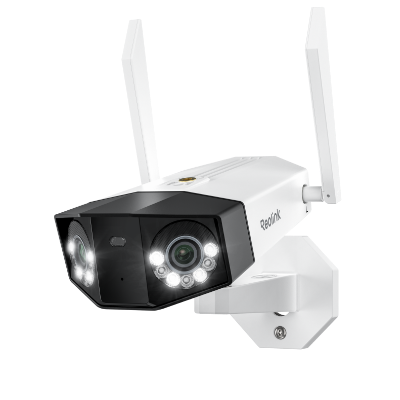
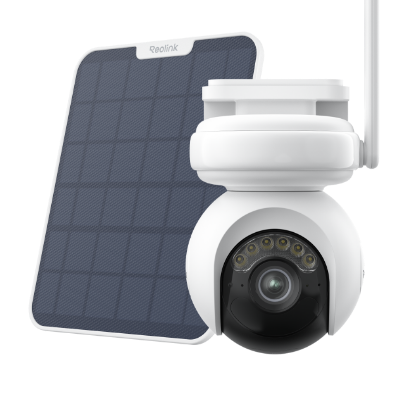
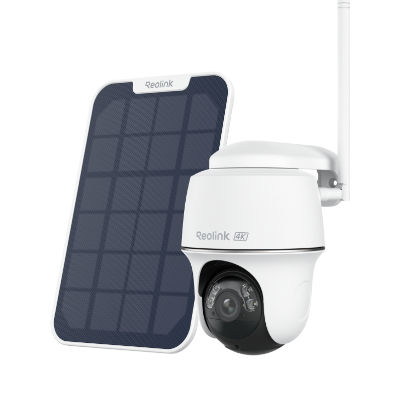
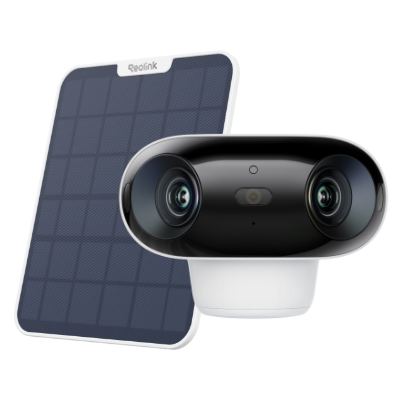
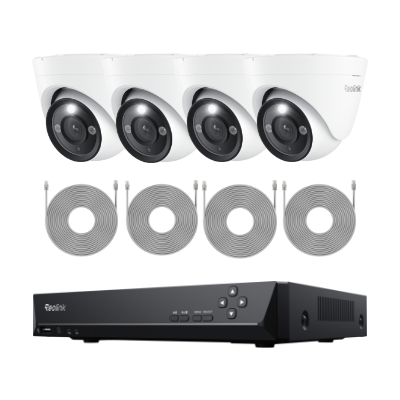
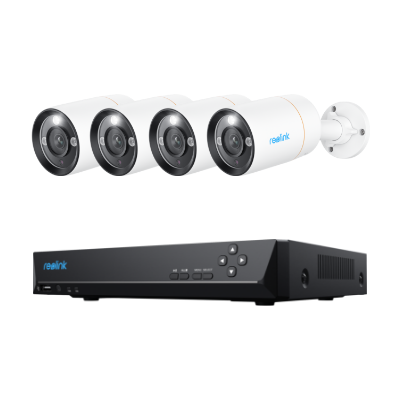
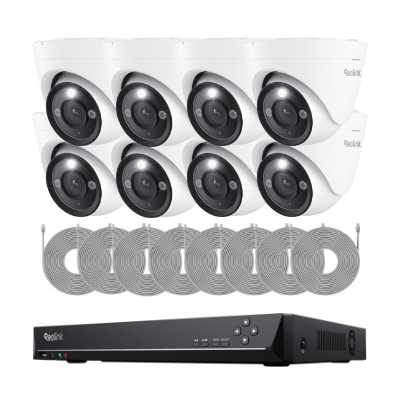
When owning a dog or cat in Britain, it is common to spend long hours away from home due to work, school, or doing errands. Modern connected devices make it easier to stay updated. You have the chance to connect with your pet every time you are absent with the help of a small, safe dog camera.
- Real-time well-being monitoring: You can just look at the feed quickly to find out whether or not your dog is sleeping, playing, or chewing the sofa.
- Training support: Consistent guidance matters more than treats. Because you can speak through the camera at any moment, commands stay clear even when you stand miles away. Regular, repeated sessions strengthen recall and house-training without harsh methods.
- Health alerts: Pacing back and forth, repeated licking of objects, or decreased food intake may be one of the indicators of stressful or painful states.
- Household security bonus: Most dog camera models include motion alerts and night vision. They also act as simple home CCTV, letting you notice an unexpected visitor or a faulty appliance while checking on the pet.
- Steady reassurance for the family: Family members can share the app, so everyone can see the cat camera feed. Children learn gentle care, and elderly relatives feel connected. The shared experience sparks positive talk rather than worry.
The UK market lists dozens of dog cameras and cat camera options. Prices range from pocket-friendly to premium. Picking the right unit calls for careful thought about performance, privacy, and daily use. The following points will guide a confident purchase.
- Video quality and frame rate: Choose at least 1080p with 25 frames per second. A low-grade picture may hide subtle signs such as ear position or tail flicks. Crisp footage means quicker reading of mood and safer decisions if you must leave longer than planned.
- Field of view and pan-tilt: A wide lens covers whole rooms, yet motorised pan and tilt fill gaps when your pet walks behind furniture. Avoid blind spots so you never rely on guesswork. You reduce stress and avoid needless phone checks throughout the day and night.
- Two-way audio clarity: Not all microphones and speakers sound the same. Test sample clips before you buy. Your voice should remain clear, not tinny or distorted. Clear audio lets your cat recognise you and prevents confusion or fear during both daytime chatter and late-night reassurance.
- Storage and data protection: Many units offer microSD recording, cloud plans, or both. Check encryption, server location, and retention length. UK owners must comply with GDPR rules, so choose a vendor with transparent policies. Doing so safeguards both personal footage and visitor privacy every single day.
- Mounting and power options: Decide whether you need a wall mount, shelf stand, or magnetic base. Battery backup or Power over Ethernet helps during outages. Short cables limit placement. Measure sockets before ordering to prevent unwanted surprises on installation day.
Different parts of a house demand different viewing angles and protection levels. An outdoor camera faces wind and rain, while an indoor unit focuses on comfort. Knowing where to position each type maximises coverage and saves money on duplicate gear.
- Front garden or porch: An outdoor dog camera above the main door shows parcel deliveries and tracks pets who slip outside. Weatherproof housing and infrared lighting keep the view clear at night. Set motion zones to avoid constant alerts from passing cars.
- Back patio overlooking the lawn: Many cats roam the patio before climbing the fences. A camera fixed to the eaves records climbing attempts and discourages intruders. Choose a wide dynamic range sensor so sudden sunlight does not bleach the picture.
- Living room corner: Place an indoor cat camera on a bookshelf aimed at sofas and feeding bowls. This location captures most daytime behaviour and can double as a nanny cam for new kittens. Keep the lens above paw height to stop tampering.
- Kitchen or utility room: Dogs often spend quiet hours near water dishes or crates here. An indoor dog camera secured to a wall shows if the pet chews cables or knocks over cleaning supplies. Select a model with sound detection to catch whining before it escalates.
Yes, a pet camera gives owners peace of mind and practical knowledge. Live video lets you confirm safety, while two-way talk helps you guide behaviour. Recorded clips uncover hidden issues such as boredom, pacing, or barking. These insights lead to better training, quicker healthcare decisions, and overall happier households today.
Our pick is the Reolink E1 Zoom. This best pet camera can fit your budget, match your internet speed, and has a coverage of the entire room. Find higher resolution, night vision, and local storage. To be able to act fast, reliable two-way audio and instant mobile alerts will assist. Select a model that has a warranty in the UK and complies with the requirements of GDPR in data handling standards.
Mount the camera overhead, connect it to your Wi-Fi router, and load the companion app with which you can watch live, talk using the microphone, and get an alert when the object changes. A good broadband connection ensures there is no lag, and the battery backup allows the streams to run even when power is lost without any hiccup.


Be Prepared, Be Ahead
Never miss Reolink hot deals, news, and updates tailored for you.
Be Prepared, Be Ahead
Never miss Reolink hot deals, news, and updates tailored for you.



Google, Google Play, Google Assistant and related marks and logos are trademarks of Google LLC. Amazon, Alexa and all related logos are trademarks of Amazon.com, Inc. or its affiliates. Mac and Safari are trademarks of Apple Inc. App Store is a service mark of Apple Inc., registered in the U.S. and other countries. Firefox and the Firefox logo are trademarks of the Mozilla Foundation in the U.S. and other countries. Other product and company names mentioned herein may be trademarks of their respective companies.


