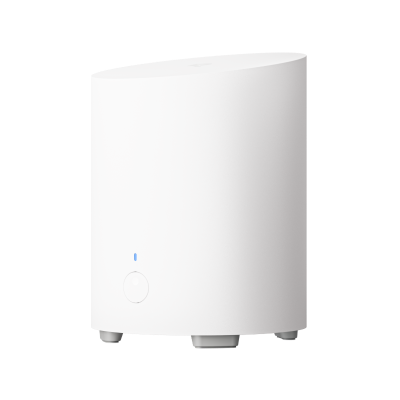
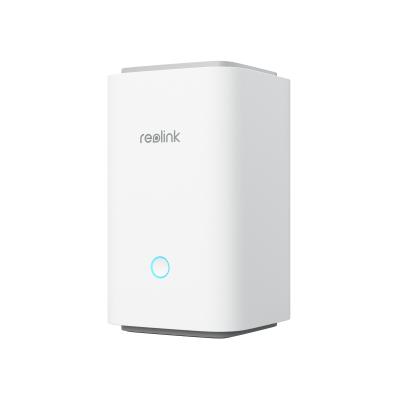
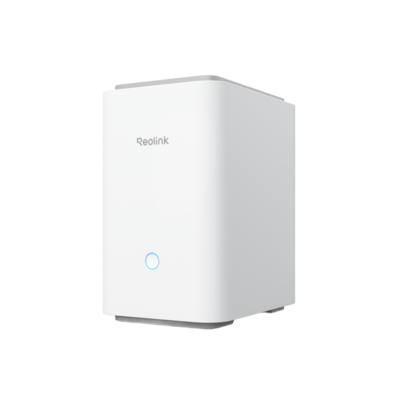
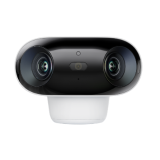
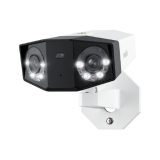
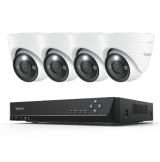
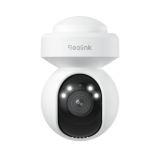
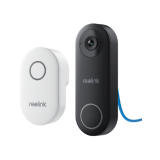
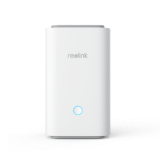
Reolink Home Hub is a central device that connects and controls different Reolink security cameras via Wi-Fi network. Explore seamless integration between Reolink hubs and cameras. Create your unique Home Hub kits now!
No Product Found
The Reolink Home Hub is a central hub that integrates and manages various Reolink security cameras. It acts as the main control center and facilitates communication between the cameras and your smartphone.
The Reolink Home Hub series provides secure local storage options via microSD cards or HDD. These hubs also include built-in security features such as encryption for data protection and alarms.
- Centralized Camera Management: Connects and syncs up to 8 cameras (Standard/Mini) or up to 24 cameras (Pro models).
- Multi-Category Compatibility: Supports a diverse mix of Reolink PoE, plug-in Wi-Fi, and low-power battery/solar-powered cameras.
- Subscription-Free Local Storage: Aggregates and stores footage on local microSD cards (expandable to 2TB) or built-in HDDs (expandable to 16TB) with zero monthly fees.
- Bank-Level Data Encryption: Uses AES-128 algorithms to secure video data, preventing unauthorized playback even if the hub or its storage drive is physically stolen.
- Dedicated LAN Isolation: Creates an independent localized wireless network for your cameras to keep heavy video traffic off your primary home Wi-Fi.
- Dual-Band Wi-Fi 6 Support: Features 2.4/5 GHz Wi-Fi 6 connectivity to ensure smooth, lag-free live streaming for ultra-high-definition feeds up to 16MP.
- Built-In Smart Alarm Siren: Houses a powerful speaker (up to 120dB) that triggers audible, customizable alarms whenever a connected camera spots a threat.
- App-Driven UI with Automated Summaries: Delivers a streamlined overview of timeline logs and filters chronological motion events right inside the smartphone app.
The Reolink Home Hub series bridges the gap between standalone Wi-Fi cameras and complex, hardwired NVR systems. It is the ultimate "brain" for modern, flexible surveillance setups.
- Managing a Mix of Wireless, Solar, and Battery Cameras: Standard security NVRs are notorious for draining battery-powered cameras or failing to support them entirely. The Home Hub is specifically engineered to handle battery, solar, and plug-in Wi-Fi cameras seamlessly, acting as a low-power wireless base station.
- Ecosystem Upgrades for Renters and Apartments: Because it excels with wireless, battery-powered hardware, renters can deploy a complete 4-camera setup (doorbell, patio, hallway, entryway) without drilling into walls for Ethernet cables. When you move, you simply unplug the Hub, pack up the cameras, and take your entire system with you.
- Creating Your Own Local Network: If privacy is a top priority, the Home Hub creates its own localized LAN network. This takes the heavy video traffic off your main home Wi-Fi—preventing internet slowdowns—and keeps your footage safe, encrypted, and accessible even if your main internet service goes down.
- App-Only, Headless Smart Home Enthusiasts: Unlike traditional NVRs that require a dedicated HDMI monitor and a mouse plugged in to configure settings or add cameras, the Home Hub is fully managed right from the Reolink smartphone app. It also features out-of-the-box integration with Google Home, Amazon Alexa, and Home Assistant.
The Reolink Home Hub and Home Hub Pro are compatible with almost all Reolink, battery-powered, Wi-Fi, and PoE cameras, except for 4G LTE cameras, cameras included in NVR kits, and other add-on cameras.
Make sure your camera model is listed as compatible and has the necessary firmware updates installed before adding it to the Home Hub.
Yes, the Reolink Home Hub must be connected to your home router with an Ethernet cable during the initial setup process. Your cameras can then be added to the hub via the Wi-Fi network.
The number of cameras you can connect depends entirely on which model from the Reolink Home Hub series you choose:
- Reolink Home Hub (Standard) & Home Hub Mini: Supports up to 8 cameras total.
- Reolink Home Hub Pro: Supports up to 24 cameras total (including up to 12 wired PoE/plug-in Wi-Fi cameras, with the remainder being battery-powered models).