Wildlife Cameras

Filter By

No Product Found

Reolink wildlife cameras combine smart detection, flexible installation, and remote monitoring to help you observe animals in your backyard or monitor outdoor areas from anywhere. Whether you want to watch birds near your garden or monitor wildlife in a remote location, Reolink offers cameras designed for different environments.

For backyard wildlife observation, choose a camera that is easy to install, captures clear details, and allows remote viewing without disturbing animals.

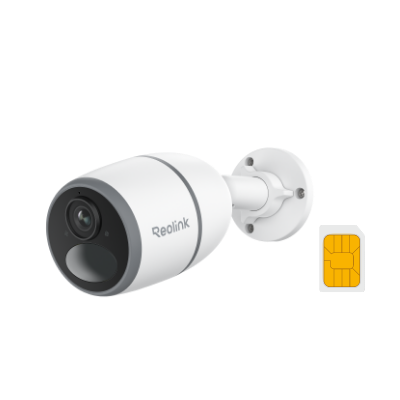
Recommended: Reolink Go Plus

Ideal for: Bird watching, backyard animal observation, garden monitoring, outdoor pet monitoring

For wildlife monitoring in forests, farms, cabins, or remote properties, a cellular camera provides a more flexible solution than traditional WiFi cameras.

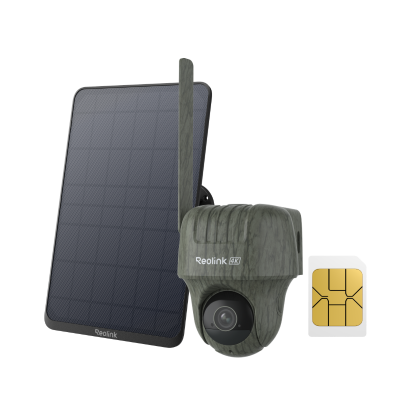
Recommended: Reolink Talon Pro

Ideal for: Farms and ranches, remote cabins, wildlife areas without internet access, large outdoor properties

For large gardens, farms, or areas where animals move across wider spaces, a camera with wider coverage and tracking capability can help capture more activity.

Recommended: Reolink Go Ranger PT

Ideal for: Large yards, farms, wildlife trails, outdoor areas requiring wider coverage
What is a Wildlife Camera?

A wildlife camera is an outdoor camera designed to capture animals and outdoor activity without disturbing them. Unlike traditional cameras, wildlife cameras are built for outdoor monitoring with features such as motion detection, night vision, weather resistance, and remote viewing.

Reolink wildlife cameras allow you to monitor birds, pets, wildlife, and outdoor areas through your phone while providing flexible installation options for backyards, farms, and remote locations.

How to Choose the Best Wildlife Camera?

Wi-Fi or No Wi-Fi: Wi-Fi wildlife cameras require a stable Wi-Fi network. They are suitable for locations where Wi-Fi is already available, such as the home. No Wi-Fi wildlife cameras work on a cellular network. They require a SIM card to access the internet and are ideal for use in remote locations.

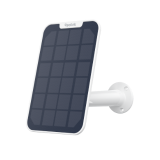
Power Source: For remote locations, the best option is solar power. It recharges the battery automatically and does not require excessive maintenance. For continuous recording, a plug-in camera is more reliable. It never misses a moment.

Night Vision: To monitor wildlife at night, night vision with no or low glow is required. It records videos of the wildlife animals without disturbing them. Common colored night visions have spotlights that deter animals.

Smart Detection and Trigger speed: With smart detection, the camera is able to distinguish between a person, animal, or vehicle. Some wildlife cameras are also equipped with AI, and they can distinguish between different species, such as deer, bears, and bucks. Secondly, the trigger speed should be fast, such as 0.2 seconds, to detect fast-moving animals.

Durability and Weather Resistance: Wildlife cameras need to bear harsh weather conditions outdoors. They should be weather-resistant for year-round performance. Their housing should also be durable to last for a long time and resist animal interference.

Extra Features: If the camera features remote monitoring, you can view live footage from any location. It is better if it has a time-lapse as it summarizes everything in a short video. The multi-shot burst feature is also useful for wildlife cameras to capture multiple shots in a row. For ease of use, it should support SD cards.

Can Wildlife Cameras Be Used as Security Cameras?

Yes. Many wildlife cameras can also monitor outdoor areas for security purposes. Features such as motion detection, mobile alerts, and remote viewing allow users to monitor properties while also observing animals.

For farms, gardens, and large outdoor areas, a wildlife camera can help detect unexpected activity from both animals and people.

Do Wildlife Cameras Need WiFi?

Not always. Wildlife cameras can use either WiFi or cellular networks.

- WiFi wildlife cameras require an existing wireless network.
- 4G LTE wildlife cameras use a SIM card to connect to the internet and work in locations without WiFi.

If you are monitoring a remote area, a 4G LTE camera is usually the better choice.

Can You Watch a Wildlife Camera Live on Your Phone?

Yes, wildlife cameras with remote viewing support allow you to watch live footage, receive motion alerts, and check recordings from your smartphone.

A camera with WiFi or 4G LTE connectivity is recommended if you want to monitor wildlife without physically visiting the camera location.

Do Wildlife Cameras Require a Subscription?

Not necessarily. Many wildlife cameras support local storage options such as microSD cards, allowing you to save recordings without relying on a monthly cloud subscription.

Reolink cameras support flexible storage options depending on the model, including microSD cards, NVRs, and other local storage solutions.

Best For

Backyard wildlife observation Birds, small animals, gardens, and outdoor monitoring
Remote wildlife monitoring Farms, forests, cabins, and large outdoor areas

Connectivity

4G LTE cellular connection No WiFi required

Power Source

Rechargeable battery Solar panel compatible

Wildlife Monitoring

Motion detection for animal activity Suitable for capturing outdoor events
Pan & tilt control for wider wildlife coverage Monitor larger areas remotely, animal detection

Camera Movement

Fixed viewing angle
Pan & tilt control for flexible viewing directions

Video Quality

2K/4MP resolution
Up to 4K/8MP UHD

Night Vision

Infrared night vision for discreet nighttime monitoring
No-glow IR night vision

Remote Access

Live viewing and alerts through Reolink App
Remote live view, pan/tilt control, and alerts through Reolink App

Key Advantage

Simple 4G wildlife monitoring with flexible installation
Best choice for remote wildlife areas requiring wider coverage