Your cart is empty.

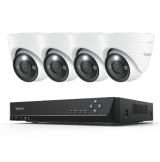
PoE security camera systems typically include multiple PoE IP cameras and an NVR as the central hub. Each camera connects to a Reolink NVR with just one Ethernet cable. With Reolink PoE kits, you’ll enjoy up to 16MP ultra-clear video, seamless remote access, advanced smart motion detection, and more. Shop now!
No Product Found
A Power over Ethernet camera or PoE camera system is a type of security camera that transmits both electric power and video data over a single standard network cable. The video signal is transmitted on the same Ethernet cable that is used to transfer low-voltage power either from the recorder or a PoE switch.
Since the camera does not require an external power supply in the form of a power adapter or an adjacent power outlet, the camera can be attached anywhere on the ceiling, wall, or pole where the cable will reach.
The cable is up to 300 feet without additional equipment, and thus you can cover large homes, a small store, a warehouse, and parking lots with fewer parts and less labor.
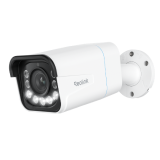
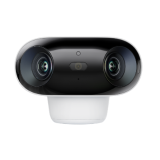
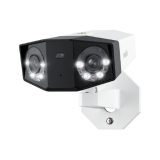
PoE cameras come in many shapes. Each shape can give you fixed or zoom lenses, color night vision, built-in microphones, and motion lights. The one thing they all share is the single cable that handles everything.
- Cable length and path: Check how far the camera will sit from the NVR and plan a route that keeps the cable away from sharp edges and water.
- Power budget of the NVR: Add up the wattage every camera needs and make sure the NVR or switch can supply that much power on every port at the same time.
- Video resolution: Decide if 1080p is enough detail or if you want 4K so you can read a license plate from across the lot.
- Night vision range: Look for infrared distance ratings or color night specs that match the area you want to cover after dark.
- Storage size and expansion: Pick an NVR that has a hard drive big enough for at least two weeks of motion recording and an empty bay for a second drive later.
Reolink PoE cameras and Reolink NVR systems give you a stable wired signal that Wi-Fi cannot match. The cable locks into the camera and the NVR, so the picture never drops when the microwave runs or the neighbor’s router changes channels. You get steady 4K or even 16MP video every second of the day, and the motion clips stay sharp enough to identify faces and plates.
There are no monthly fees. The Reolink NVR arrives with a hard drive already inside, and it keeps every recording on your shelf, not on a cloud server that charges by the camera. You can expand the storage by sliding in a larger drive or adding a second bay, and you still pay zero dollars per month.
The same wired link that gives steady power also carries smart features without slowing down. Person, vehicle, and animal detection run on the camera chip and on the NVR, so you get accurate alerts at no extra cost. You can draw boxes on the screen to tell the system which parts of the yard matter and which parts can be ignored.
PoE cameras beat Wi-Fi cameras for anyone who wants steady 24/7 recording, long cable runs, and no battery changes, because the wired link never drops, the signal stays private, and one cable does every job.
You must run a cable from each camera to the recorder, so attics, basement, or conduit work are required, and if the single cable is cut or the NVR power supply fails, the camera goes dark until you repair the line.
Reolink PoE cameras lead in Canada for home and small business users who want simple setup, free smart detection, and no cloud fees. Most importantly, these PoE models are built to withstand Canada’s harsh outdoor weather.
Yes, it records to the NVR and you can view live and playback on a local display or phone application, so long as you remain on the same network; you will just need internet connectivity, in case you would like to receive an alert or view the camera when you are not at home.


Be Prepared, Be Ahead
Never miss Reolink hot deals, news, and updates tailored for you.
Be Prepared, Be Ahead
Never miss Reolink hot deals, news, and updates tailored for you.

Google, Google Play, Google Assistant and related marks and logos are trademarks of Google LLC. Amazon, Alexa and all related logos are trademarks of Amazon.com, Inc. or its affiliates. Mac and Safari are trademarks of Apple Inc. App Store is a service mark of Apple Inc., registered in the U.S. and other countries. Firefox and the Firefox logo are trademarks of the Mozilla Foundation in the U.S. and other countries. Other product and company names mentioned herein may be trademarks of their respective companies.