Your cart is empty.

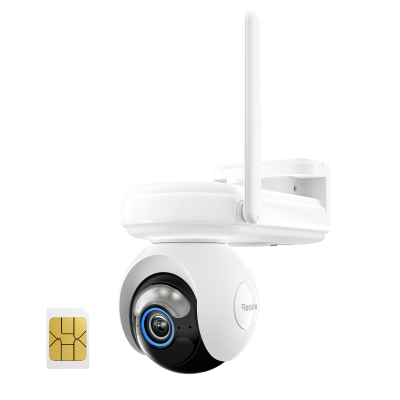
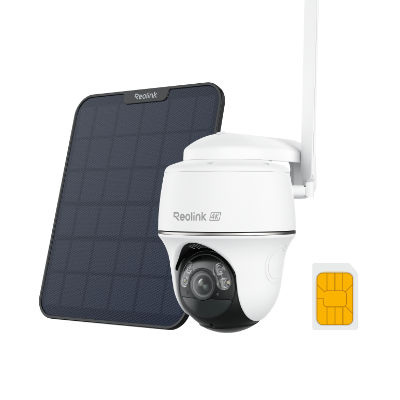
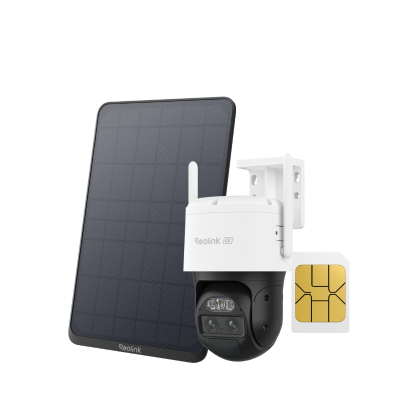
Reolink cellular security cameras provide reliable protection for remote locations. Without Wi-Fi, these best cellular cameras offer solar power options, remote viewing, smart detection and a rugged outdoor design. Reolink will keep your property safe no matter where you are.
No Product Found
Reolink cellular security cameras connect through 4G LTE networks instead of Wi-Fi, making them suitable for Australian locations where fixed internet is unavailable or unreliable. Monitor remote properties, farms, construction sites, sheds, and other off-grid areas directly from your phone.
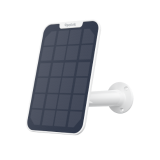
Rechargeable batteries eliminate the need for a nearby power outlet, while compatible solar panels can keep the camera charged with sunlight. This combination of cellular connectivity and independent power makes installation much easier in remote areas where both Wi-Fi and wired electricity are limited.
Smart detection can distinguish important events such as people, vehicles, or animals on supported models and send real-time alerts to your phone. This makes it easier to monitor activity remotely without constantly checking the live feed.
Record footage locally to a microSD card on supported Reolink cellular cameras instead of relying solely on cloud storage. A cellular data plan is still required for 4G remote connectivity, but local recording can avoid a mandatory cloud storage subscription.
Reolink cellular cameras are designed for outdoor monitoring and include weather-resistant options for changing conditions. Combined with flexible battery and solar power, they can be deployed across farms, rural properties, worksites, RVs, and other locations that are difficult to cover with conventional Wi-Fi cameras.
A cellular security camera transmits video over a 4G LTE or 5G network using a SIM card and data plan instead of Wi-Fi or wired internet. It's ideal for remote or off-grid areas without traditional connectivity. These cameras are powered by rechargeable batteries, solar panels, or sometimes wired power, offering flexible installation in places without electricity or internet.
Remote Properties: Vacation homes, cabins, and rural areas often lack stable Wi-Fi. Cellular cameras offer reliable remote monitoring in these off-grid locations.
Construction Sites: Ideal for safeguarding valuable equipment and materials, especially at temporary or remote job sites without internet access.
Off-Grid Locations: Perfect for nature reserves, archaeological digs, and industrial sites where both power and internet are limited.
RVs and Boats: Provide on-the-go security and monitoring for RVs and boats, whether parked, docked, or traveling through areas without Wi-Fi.
Outdoor Events/Gatherings: Enhance safety and crowd control at outdoor festivals, fairs, and events by offering mobile, flexible surveillance.
Farms/Ranches: Monitor livestock, perimeter fences, or outbuildings on large properties where traditional connectivity is unavailable.
4G Cellular cameras provide a reliable and flexible security solution without the need for internet access, making them ideal for use in remote or hard-to-reach locations.
Reolink cellular security cameras don't always require a subscription. While a mobile data plan is needed to connect to the cellular network, many Reolink 4G camera support local storage via a microSD card, letting you record and review footage without relying on cloud services.
Advanced features like motion detection, live view, push notifications, and even smart detection (such as person and vehicle alerts) typically work with no monthly fees, giving you powerful security with low costs.
The cost of running a cellular security camera depends on factors such as the camera model, cellular data plan, and storage options. The camera model should be chosen based on your specific surveillance needs, as features and capabilities can vary. Cellular data plan costs are influenced by video quality, recording frequency, and overall data usage. The motion-triggered recording is more data-efficient compared to continuous recording. For storage, cloud options may involve recurring fees, while local storage, such as SD cards, offers a one-time cost solution.
The best cellular security camera should offer reliable 4G LTE connectivity, clear video, long battery life, smart detection, night vision, and flexible local storage. For remote or off-grid locations, solar charging and wide-area coverage are also important features to consider.
Reolink Go PT Ultra is a strong choice, combining 4K 8MP resolution, 4G LTE connectivity, pan-and-tilt coverage, smart detection, and battery or solar power. It is well suited for farms, rural properties, construction sites, and other locations where Wi-Fi and wired power are unavailable.
The data usage of a 4G security camera depends on the bitrate settings. On average, it typically uses around 2GB to 5GB of data per month with standard usage. However, to get a more accurate estimate, it's important to review the camera's specifications and adjust the settings based on your specific usage needs.
Yes, 4G SIM card security cameras are widely available in Australia and can work with local cellular networks such as Telstra, Optus, and Vodafone, depending on camera and SIM compatibility.
The main difference between a cellular camera and a Wi-Fi camera is how they connect to the internet. Cellular cameras use mobile networks, while Wi-Fi cameras rely on a local Wi-Fi connection.


Be Prepared, Be Ahead
Never miss Reolink hot deals, news, and updates tailored for you.
Be Prepared, Be Ahead
Never miss Reolink hot deals, news, and updates tailored for you.

Google, Google Play, Google Assistant and related marks and logos are trademarks of Google LLC. Amazon, Alexa and all related logos are trademarks of Amazon.com, Inc. or its affiliates. Mac and Safari are trademarks of Apple Inc. App Store is a service mark of Apple Inc., registered in the U.S. and other countries. Firefox and the Firefox logo are trademarks of the Mozilla Foundation in the U.S. and other countries. Other product and company names mentioned herein may be trademarks of their respective companies.